
PVC Sheet – Complete Technical Analysis and Product Guide for Polyvinyl Chloride Panels
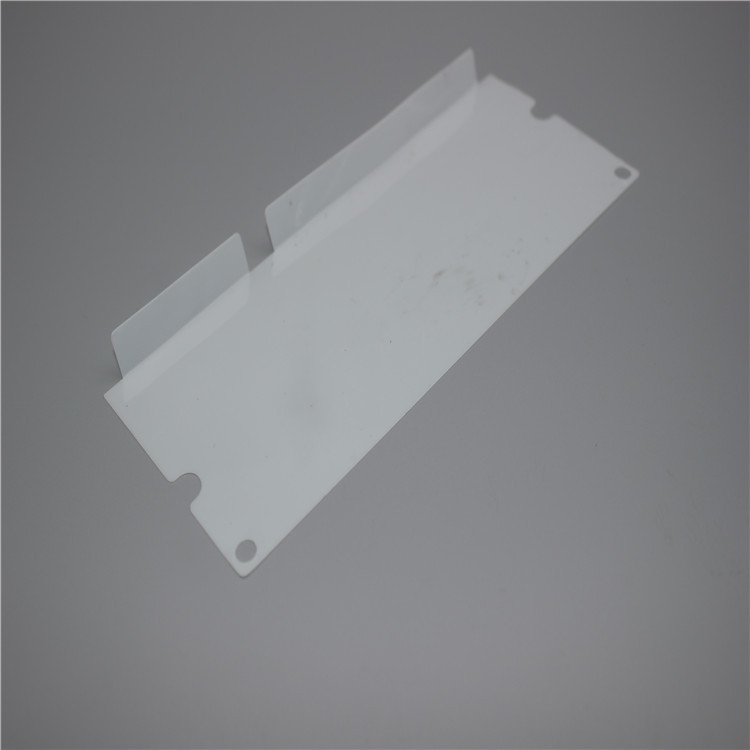
PVC sheet, also known as polyvinyl chloride panel, is a thermoplastic plastic sheet produced by using polyvinyl chloride resin as the main raw material, adding stabilizers, plasticizers, lubricants and other auxiliary materials, and processed through extrusion or lamination. As a high-performance engineering plastic with excellent comprehensive properties, PVC sheet plays an increasingly important role in chemical corrosion protection, architectural decoration, transportation, advertising signage and electrical electronics industries due to its excellent chemical stability, flame retardancy, corrosion resistance and processability. Natural PVC has a slightly yellowish translucent appearance with gloss, offering better transparency than polyethylene and polypropylene, and can be divided into flexible and rigid types depending on the amount of additives used.
1. Product Classification System
The PVC sheet product system is rich and diverse, classified by rigidity into rigid PVC sheet and flexible PVC sheet; by production process into extruded sheet, laminated sheet and expanded sheet; and by appearance into transparent sheet, colored sheet and decorative sheet, to meet application requirements across different industries.
Classification by Rigidity: Rigid PVC sheet offers good flexibility, is non-toxic and durable, with high surface hardness and excellent scratch resistance, accounting for two-thirds of total market share with thickness up to 65mm, suitable for chemical containers, building linings and electronic equipment covers. Flexible PVC sheet contains plasticizers, offering a glossy and soft surface with good toughness, flexibility and sealing performance, mainly used for leather surfaces, interior trim materials, equipment linings and sealing gaskets, but with susceptibility to aging, with service temperature range of -20°C to +40°C.
Classification by Production Process: Extruded sheet is a rigid sheet produced by mixing PVC with auxiliary materials and extrusion forming, with thickness range of 2 to 30mm, width options of 900mm, 1300mm and 1500mm, standard length of 2000mm, and special processing width up to 1700mm. Laminated sheet is a rigid sheet produced by calendering into thin sheets followed by lamination, heating and pressing, with thickness range of 3 to 50mm and special processing thickness up to 50 to 120mm, suitable for applications requiring higher thickness and mechanical strength. Expanded sheet is produced using PVC as main raw material with stabilizers and foaming agents, processed through mixing and extrusion free foaming forming, divided into celuka foam sheet and free foam sheet. Celuka foam sheet has lower expansion rate and higher surface hardness, suitable for building exterior walls requiring surface strength; free foam sheet has relatively higher expansion rate and general hardness, offering greater versatility.
Classification by Appearance: Rigid PVC extruded sheet is generally available in gray and white, with colored rigid sheets available upon customer request in bright and aesthetically pleasing colors. PVC transparent sheet has thickness up to 20mm with maximum width of 1300mm and standard specification of 1300×2000mm, achieving light transmittance above 73%, featuring high strength, high transparency, good weather resistance, non-toxic and hygienic properties. Flexible PVC sheet is available in multiple colors including white, green, brown, blue, red, gray and black. Additionally, anti-static PVC sheet offers surface resistance values of 10⁶ to 10⁸ ohms with excellent anti-static function, suitable for cleanroom enclosures, test fixtures and equipment covers requiring electrostatic protection.
2. Core Performance Parameters
PVC sheet possesses a range of excellent physical and chemical properties, making it a trusted engineering plastic material in industrial applications.
Chemical Stability and Corrosion Resistance: PVC sheet offers excellent chemical stability, resisting acids, alkalis, salts and most organic solvents, widely used in chemical anti-corrosion projects. The product features excellent chemical stability, corrosion resistance, high hardness and high strength, capable of replacing stainless steel and other corrosion-resistant synthetic materials. Flexible PVC sheet is specifically used for acid and alkali resistant, corrosion-proof equipment linings, effectively extending equipment service life.
Flame Retardancy: PVC sheet offers good fire resistance and flame retardancy with self-extinguishing properties, generally achieving UL 94 V-0 flame retardancy rating. V-0 rating represents the highest flame retardancy level in the UL94 standard, requiring that in vertical burning tests, each individual burn time does not exceed 10 seconds with self-extinguishing, and no flaming drips that ignite cotton. In construction applications, Class B1 PVC must meet stringent requirements of GB8624 standard with HRR peak ≤250kW/m² and total smoke production ≤50m²/kg.
Electrical Insulation Performance: PVC sheet offers good electrical insulation properties with high dielectric strength and excellent comparative tracking index, suitable for medium and low voltage insulation materials. Anti-static PVC sheet can control surface resistance values between 10⁶ and 10⁸ ohms, effectively preventing static accumulation while maintaining good insulation properties, particularly suitable for the electronics and electrical industries.
Mechanical Properties: Rigid PVC sheet features high hardness, high strength, excellent surface hardness and scratch resistance. Elongation at break can reach 200% to 450%, indicating good material toughness. Tensile strength reaches approximately 50MPa with elastic modulus of approximately 80MPa. UV resistance and aging resistance are outstanding, resisting degradation during long-term outdoor use. The product surface is smooth and flat, non-absorbent, non-deforming, with excellent dimensional stability.
Physical Properties: PVC sheet has a relative density of approximately 1.35 to 1.40 g/cm³, lighter than glass and metal. The general service temperature range is -20°C to +40°C, with some special formulation products capable of extended temperature ranges. Light transmittance can exceed 73%, with transparent PVC sheet superior to acrylic in some physical property indicators. The product is non-absorbent and non-deforming with excellent moisture and mold resistance.
Environmental Performance: High-quality PVC sheet is manufactured using non-toxic, recyclable environmentally friendly materials with low VOC emissions, complying with RoHS, REACH and other international environmental certification standards, while also passing ISO 14001 environmental management system certification. Additionally, the national standard GB/T 40006.11-2024 “Plastics – Recycled Plastics – Part 11: Polyvinyl chloride materials” officially implemented on April 1, 2025, specifies technical requirements for recycled PVC materials, marking a new stage of standardized development in PVC material recycling.
3. Specifications and Processability
PVC sheet offers diverse specification options. Thickness range covers 0.8mm to 65mm, with rigid sheet thickness up to 65mm, extruded sheet conventional thickness 2 to 30mm, laminated sheet thickness 3 to 50mm (special up to 120mm), and transparent sheet thickness below 20mm. Width options include 900mm, 1300mm and 1500mm, with standard length of 2000mm and custom lengths available upon request.
In terms of processability, PVC sheet is an excellent thermoforming material. The product can be sawed, planed, nailed, bonded, engraved, hot bent, folded, slotted, drilled, cut and carved through various mechanical processing methods. Surfaces can undergo UV printing, color printing, spraying, screen printing, decal application and 3D engraving for decorative finishing. Furthermore, PVC sheet can be thermoformed into various complex shapes through hot bending, vacuum forming and hot press forming, widely used in equipment covers, chemical containers, light boxes and interior and exterior decoration.
4. Quality Certification System
High-quality PVC sheet products should pass multiple domestic and international quality certifications. In flame retardancy safety: UL 94 V-0 flame retardancy rating certification. In electrical performance: compliance with IEC 60674 and related standards. In environmental compliance: RoHS hazardous substance restriction directive, REACH chemical registration evaluation authorization regulation and SGS environmental testing, with some products holding ISO 14001 environmental management system certification. Product quality complies with GB/T13520-1992 national standard, featuring excellent chemical stability, corrosion resistance, high hardness, high strength, UV resistance, flame retardancy, reliable insulation performance, smooth and flat surface, non-absorbent, non-deforming properties and easy processability.
5. Market Outlook and Development Trends
The PVC sheet industry is undergoing structural transformation and development opportunities. Market research data indicates that the global expanded PVC sheet market is expected to grow from approximately USD 2.15 billion in 2025 to approximately USD 3.01 billion by 2032, with a compound annual growth rate of approximately 4.41% during the forecast period. In 2025, domestic apparent PVC consumption is estimated to reach 21.01 million tons, with China accounting for approximately 47% of global PVC production capacity. Notably, the demand structure for PVC is undergoing significant adjustment. While PVC demand previously declined due to real estate industry impacts, with continuous expansion in emerging application fields including architectural decoration, new energy packaging, medical healthcare and communication electronics, the demand structure has gradually optimized. With continued development of architectural decoration, chemical corrosion protection, advertising signage, new energy and other industries, along with export structure optimization resulting from export tax rebate policy adjustments, the PVC sheet industry is moving toward a new stage of high-quality development.
 Comprehensive Technical Analys
 How to Choose PORON Foam and R
 Graphene Heat Spreader, Therma
 Thermal Conductive Silicone Pa