
Thermal Conductive Silicone Pad, Thermal Conductive Silicone Cloth and Graphene Heat Spreader – A Complete Technical Analysis of Three Mainstream Thermal Interface Materials
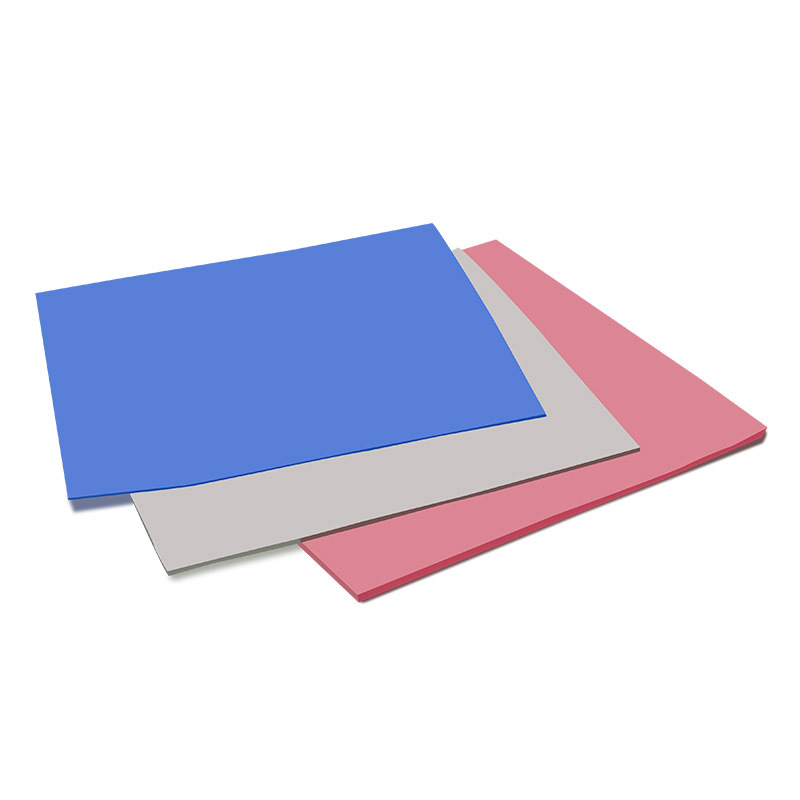
Thermal interface materials serve as the critical bridge between heat-generating components and heat dissipation structures, with their performance directly determining the thermal management effectiveness and operational stability of electronic devices. Among the numerous TIM options, thermal conductive silicone pads, thermal conductive silicone cloths and graphene heat spreaders have become the three most widely adopted mainstream products due to their unique performance combinations. This article provides a comprehensive technical analysis of these three TIM types from four dimensions: material composition, core performance parameters, product specifications and selection principles.
1. Thermal Conductive Silicone Pad: A General-Purpose Thermal Pad Balancing Conductivity and Flexibility
Thermal conductive silicone pad, also known as thermal gap pad or silicone thermal pad, is a flexible thermal interface material synthesized using silicone as the base material, incorporating thermally conductive fillers, flame retardants and other auxiliary materials through specialized processes. It is widely used in electronic devices to fill microscopic gaps between heat-generating components such as chips and power devices and heat sinks, replacing the inefficient air layer and establishing high thermal conductivity paths.
Thermal Conductivity: Thermal conductivity is the core indicator measuring a silicone pad‘s heat dissipation capability, expressed in W/(m·K), with higher values indicating higher thermal transfer efficiency. The thermal conductivity of silicone pads on the market ranges broadly from 1.0 W/(m·K) to 12.0 W/(m·K). Low-power devices can be satisfied with 1-3 W/(m·K), while high-power devices such as CPUs and power modules require products with thermal conductivity above 5 W/(m·K). High-end products have achieved even greater breakthroughs, with the TG-A1450 ultra-soft thermal conductive silicone pad reaching 14.5 W/(m·K) and the TIF800QE series achieving 13 W/(m·K).
Thickness and Tolerance: Thickness typically ranges from 0.2mm to 10mm, and must match the gap between the heat source and heat sink. The selected thickness should be 0.1-0.2mm larger than the gap to ensure tight contact after compression without air gaps-6. Precision equipment requires thickness tolerance of ≤±0.05mm, while ordinary equipment can accept ≤±0.1mm.
Hardness and Compression Ratio: Hardness is commonly expressed on the Shore 00 scale, typically ranging from 20 to 80 Shore 00. Lower values indicate greater softness and better conformability, allowing better adaptation to irregular component surfaces and filling of microscopic gaps to reduce contact thermal resistance. Softer products can achieve compression ratios of 20%-50%, effectively conforming to uneven surfaces and reducing air gaps—since air has a thermal conductivity of only 0.026 W/(m·K), which severely impedes heat dissipation. Beginners may prioritize products with 30-50 Shore 00, balancing conformability and durability for most common electronic devices.
Temperature Range and Insulation: The operating temperature range of thermal conductive silicone pads is typically -40°C to 150°C, with high-end products extending to -50°C to 200°C. Insulation is measured by dielectric strength, with ≥5kV/mm considered acceptable. Silicone pads used for live components must possess insulation properties to avoid short-circuit risks. Some high-end products, such as the TG-A5000L low-oil-bleeding thermal conductive silicone pad, achieve withstand voltage of ≥6 kV/mm, operating temperature -50°C to +150°C, V-0 flame retardancy rating, density 3.4 g/cm³, and volume resistivity of 10¹² Ohm·m.
Advantages of Thermal Conductive Silicone Pads: High thermal conductivity for rapid heat transfer and reduced operating temperatures; excellent electrical insulation to avoid short-circuit risks; soft and compressible to conform to uneven surfaces and reduce contact thermal resistance; low mounting stress to protect sensitive components; easy to use with manual cutting or custom die-cutting for various shapes; aging resistance and high-low temperature tolerance for long-term stability; shock absorption and cushioning to enhance device durability.
2. Thermal Conductive Silicone Cloth: Glass-Fiber-Reinforced Thermal Insulation Sheet
Thermal conductive silicone cloth, also known as thermal silicone cloth or tear-resistant silicone cloth, is an organic silicon polymer elastomer reinforced with glass fiber as the base material. It effectively reduces thermal resistance between electronic components and heat sinks while offering high electrical insulation strength, good thermal conductivity and high chemical resistance. It can withstand high voltage and puncture by metal parts that might cause short circuits, making it an excellent thermal insulation material replacing traditional mica sheets and thermal greases.
Core Performance Parameters: The thermal conductivity of silicone cloth typically ranges from 0.9 W/(m·K) to 1.5 W/(m·K). While its thermal conductivity is not as high as that of high-performance silicone pads, its core advantages lie in excellent electrical insulation and mechanical strength. Typical products such as the LT series silicone cloth are available in thicknesses of 0.23mm, 0.3mm, 0.45mm and 0.8mm, with Shore A hardness of 85±5, tensile strength >180 kg/cm², temperature range -50°C to +200°C, elongation 3%-8%, and dielectric strength exceeding 4 kV/mm. Some high-end products achieve dielectric strength ≥5500 V/mm and volume resistivity ≥1.0×10¹² Ohm-cm.
Product Specifications: Thermal conductive silicone cloth is available in thicknesses including 0.18mm, 0.23mm, 0.3mm, 0.45mm and 0.8mm, with basic specifications typically of 300mm width and 50m length in roll form, and can be die-cut into any shape according to customer requirements. Common colors include pink, gray, blue and white, with flame retardancy ratings reaching UL 94 V-0 or V-1.
Application Advantages: Thermal conductive silicone cloth features high tensile strength, wear resistance, excellent insulation, non-adhesive surface and thin profile, making it suitable for insulation and thermal conductivity of power devices. With affordable pricing, it has been widely recognized by customers, particularly suitable for switching power supplies, communication equipment, computers, flat-panel TVs, mobile devices, video equipment, networking products and home appliances. In applications, it is mainly used for filling between heat sources and heat sink modules or housings, as well as for insulation filling between live heat-generating components and housings.
Difference between Silicone Cloth and Silicone Pad: Thermal conductive silicone cloth, reinforced with glass fiber, offers higher tensile strength and wear resistance, making it less prone to tearing and particularly suitable for screw-fixed applications. In contrast, silicone pads focus more on high thermal conductivity and soft conformability, suitable for heat-generating components with uneven surfaces. The two products have different strengths and can be flexibly selected based on specific application requirements.
3. Graphene Heat Spreader: Next-Generation Material Breaking Traditional Thermal Conductivity Limits
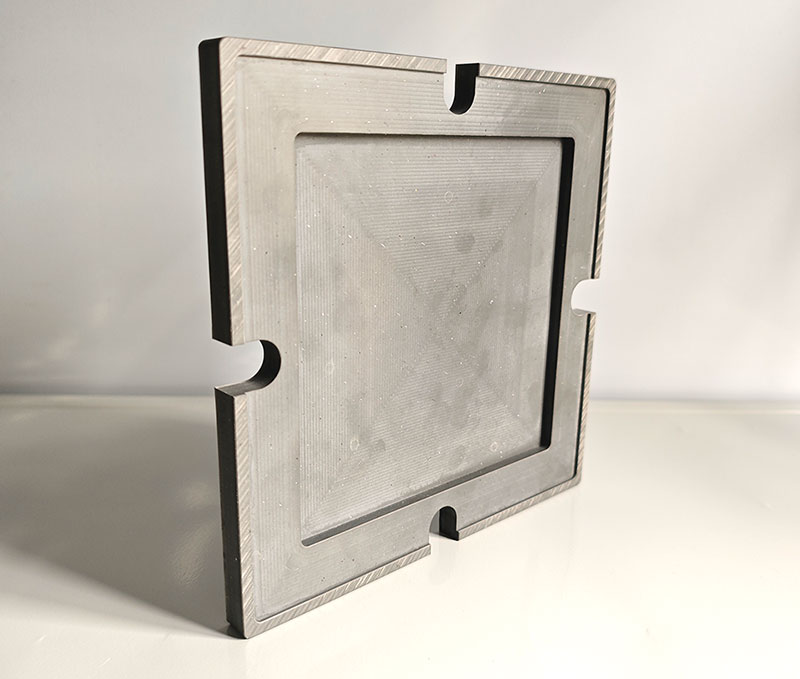
Graphene heat spreader is a flexible thermal interface material using graphene as the main thermally conductive filler, representing a cutting-edge direction in the TIM field. Single-layer graphene has a theoretical thermal conductivity of up to 5300 W/(m·K), far surpassing traditional copper (approximately 400 W/(m·K)) and aluminum (approximately 200 W/(m·K)), making it one of the most thermally conductive two-dimensional materials known.
Outstanding Thermal Performance: In practical applications, graphene thermal pads prepared through innovative orientation processes achieve thermal conductivity exceeding 130 W/(m·K) with thermal resistance as low as 0.04°C·cm²/W, building low-thermal-resistance channels between heat sources and vapor chambers, increasing heat transfer speed by 200% compared to traditional silicone pads-. Large-size graphite microplates (lateral dimensions >100μm) form continuous thermal conduction networks, with in-plane thermal conductivity exceeding 1500 W/(m·K). According to the 2026 high thermal conductivity materials industry report from the Chinese Academy of Sciences’ Materials Research Institute, graphene thermal films achieve thermal conductivity of 1200-1500 W/(m·K) with thickness of 10-50μm, widely adapted for smartphones, notebooks, AI chip vapor chambers and other applications.
Comparison with Traditional Silicone Pads: Graphene thermal pads far exceed traditional products in thermal conductivity—traditional silicone pads typically achieve only 1-10 W/(m·K). Graphene heat spreaders can be made thinner (0.3mm or even thinner). In terms of cost, graphene materials are currently higher than traditional materials, while mechanical strength is relatively lower, making them more susceptible to tearing, requiring careful handling during installation.
Flexibility and Bend Resistance: Using polyimide or silicone rubber as the matrix, after multi-layer stacking, graphene films can withstand 100,000 bend cycles with a bending radius <2mm, suitable for smartphones, flexible electronics and other applications with stringent flexibility and space constraints.
Lightweight Characteristics: Graphene heat spreaders can achieve thickness control of 50-200μm with density <1.8 g/cm³, offering significant lightweight advantages, particularly suitable for weight-sensitive applications. Roll-to-roll continuous coating processes enable film preparation with width >1m and yield >95%, with commercial mass production already achieved.
Insulation Treatment and Service Life: Since graphene itself is electrically conductive, practical products incorporate insulation edge banding designs to effectively avoid electrical short-circuit risks. Under normal usage environments (free from chemical corrosion), graphene thermal pads last as long as the product itself with slow performance degradation. Some high-end products offer service life of up to 10 years.
Application Scenarios: Graphene heat spreaders are mainly used for heat dissipation in high-power GPUs, automotive autonomous driving chips, mobile communications, semiconductor lighting, aerospace and other systems. In the AI server field, a single H100 GPU consumes 700W of power, requiring TIM with high thermal conductivity to avoid thermal throttling. Through innovative orientation processes, Hofon New Materials has achieved automated core processes with single-piece dimensions up to 10×10cm and annual production capacity of millions of pieces.
4. Selection Comparison and Principles for the Three Materials
Basic Selection Principles: First, select thermal conductivity based on heat generation power—low-power devices (such as phone chargers) can use 1-3 W/(m·K); medium-power devices (such as LED lights, power modules) should use 3-6 W/(m·K); high-power devices (such as CPUs, GPUs, power semiconductors) require >6 W/(m·K)
Selection Based on Mechanical Requirements: If frequent disassembly or screw fixation is required, prioritize thermal conductive silicone cloth with high tensile strength; if soft conformability to irregular surfaces is needed, choose low-hardness thermal conductive silicone pads; if ultimate heat dissipation performance is required with sufficient budget, choose graphene heat spreaders.
Selection Based on Insulation Requirements: All three materials possess electrical insulation properties, but silicone cloth, reinforced with glass fiber base material, offers superior insulation reliability and puncture resistance. Graphene heat spreaders require confirmation of insulation edge banding design to avoid electrical short-circuit risks.
Selection Based on Cost Budget: Thermal conductive silicone cloth is the most economical, followed by thermal conductive silicone pads, while graphene heat spreaders currently have the highest cost—though prices are gradually decreasing with the advancement of mass production. For ordinary equipment, domestic products are preferred, as they are 30%-50% lower in price than imported products with the same parameters.
5. Industry Standards and Development Trends
The global thermal interface materials market size is estimated at approximately USD 5.5 billion in 2026, projected to reach USD 14 billion by 2035, with a compound annual growth rate of approximately 12.4%. This growth reflects the rigid demand for efficient heat dissipation from emerging fields such as 5G communications, AI servers and new energy vehicles, as well as the disruptive impact of carbon-based materials and nanotechnology breakthroughs on industry development.
In terms of technological trends, thermal interface materials are trending toward higher thermal conductivity, lighter weight and more environmentally sustainable manufacturing and usage practices throughout their lifecycle. Carbon-based materials (graphene, carbon nanotubes, etc.), with their exceptionally high intrinsic thermal conductivity, have become the R&D focus for next-generation TIM, and the proliferation of silicon carbide power devices is imposing higher requirements on TIM.
With the continued expansion of global high-performance computing, AI computing power and new energy vehicle industries, thermal conductive silicone pads, thermal conductive silicone cloths and graphene heat spreaders, as core components of thermal management systems, are ushering in unprecedented development opportunities with broad market prospects.
 Comprehensive Technical Analys
 How to Choose PORON Foam and R
 Graphene Heat Spreader, Therma
Thermal Conductive Silicone Pa
Graphene Heat Spreader, Therma
Thermal Conductive Silicone Pa